How Great Britain Abolished the Slave Trade in 1807
The Day Britain Chose Conscience Over Commerce: How Great Britain Abolished the Slave Trade in 1807 and Backed It With Naval Might and Sacrifice
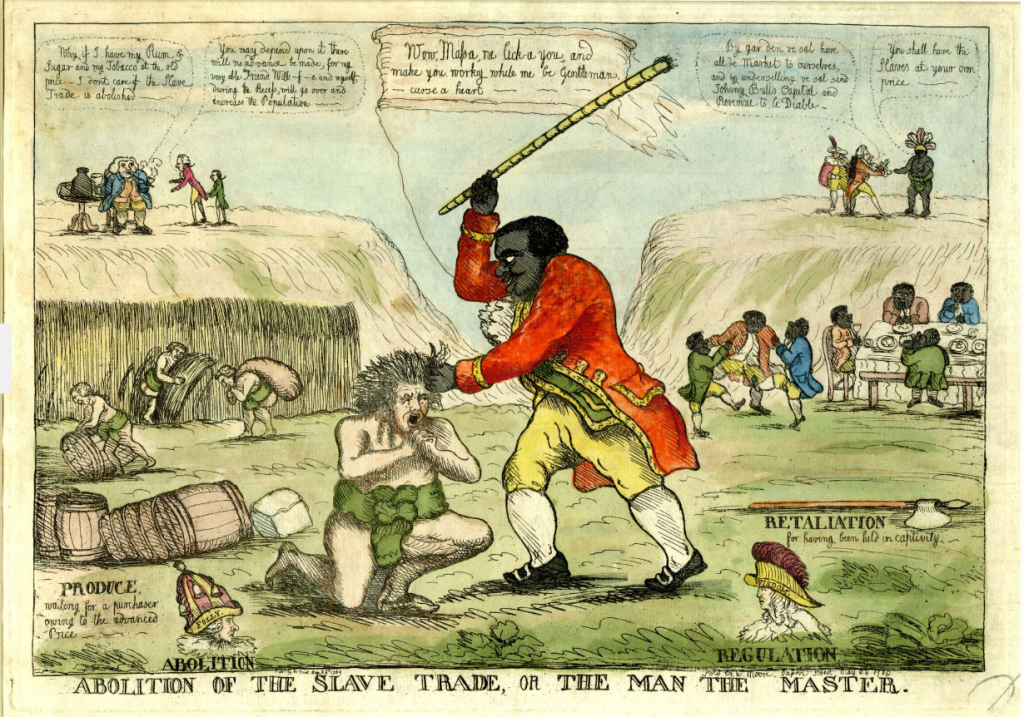
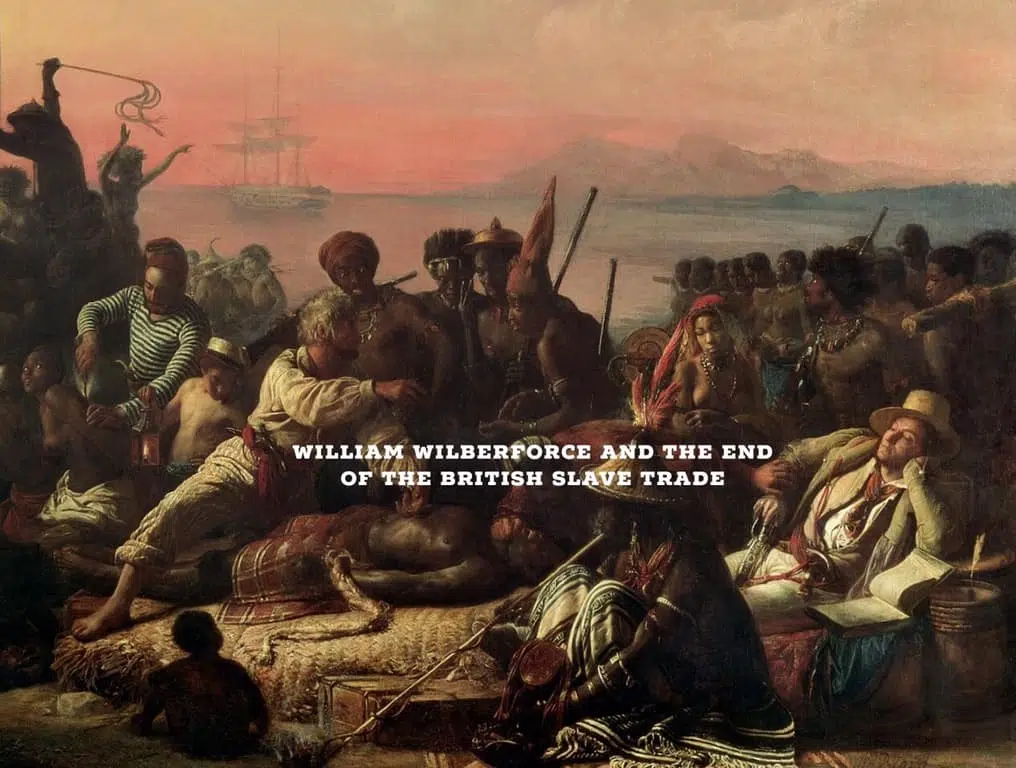
On 25 March 1807, the British Parliament passed the Slave Trade Act, a landmark piece of legislation that banned the transatlantic slave trade throughout the British Empire. This was no mere symbolic gesture. At the time, Britain dominated the trade — British ships had carried millions of enslaved Africans across the Atlantic in the preceding centuries, generating immense profits for merchants and planters. Yet, after nearly two decades of passionate campaigning led by figures like William Wilberforce, Parliament voted overwhelmingly (283 to 16 in the Commons) to end it. The Act received royal assent that day, taking full effect on 1 May 1807.
This decision marked a profound moral turning point. Britain, then the world’s pre-eminent naval and commercial power, voluntarily surrendered a highly lucrative enterprise at a moment when it was locked in a desperate war against Napoleon. The abolitionists, driven by evangelical zeal, Enlightenment principles, and sheer human decency, had overcome fierce opposition from economic interests. But the real story of British resolve begins after the law was passed.
Enforcing the Ban: The Might of the Royal Navy
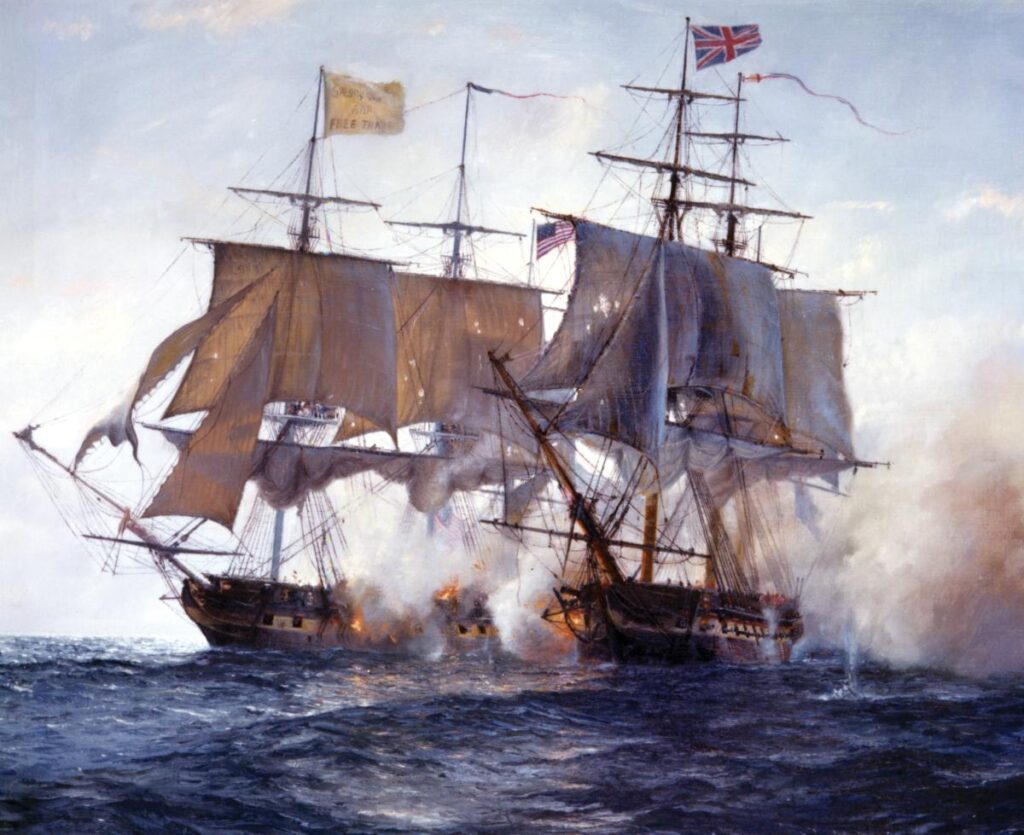
Words on paper meant little without action. Other nations continued the trade, and some British merchants were tempted to flout the new law. Britain responded not with half-measures, but with the full power of the Royal Navy — the most formidable maritime force on earth.
In 1808, the Navy established the West Africa Squadron (also known as the Preventative Squadron), tasked with patrolling the West African coast from Senegal to Angola. These sailors operated in some of the most hostile conditions imaginable: disease-ridden waters where malaria, yellow fever, and dysentery were constant killers. Ships were often small, ageing, and outnumbered by faster slave vessels. Yet they persisted.
Over the next 50+ years, the West Africa Squadron achieved extraordinary results:
- Seized approximately 1,600 slave ships.
- Freed around 150,000 Africans who would otherwise have endured the horrors of the Middle Passage.
This was not a popular or easy duty. The squadron diverted precious naval resources during wartime and peacetime alike. Britain negotiated treaties with other powers, used diplomacy, and sometimes force to extend the ban internationally. The Navy’s cruisers became the enforcers of a new global norm against the trade.
Fun, Laughter & Community Vibes
What truly set the night apart was the sense of togetherness. People weren’t just dancing — they were celebrating. The event was inclusive, welcoming, and filled with genuine positivity.
It proved something important: Eastbourne is ready for more nightlife that caters to adults who want real fun, real music, and real connection. CTRL delivered that flawlessly, cementing its place as a top Eastbourne nightclub for grown-up vibes done right.
A Win for Eastbourne’s Social Scene
The Over 30s Night wasn’t just a success — it was a breath of fresh sea air for Eastbourne’s nightlife. It showed that the community is craving more events that feel mature, nostalgic, and joy-filled. And CTRL proved they know exactly how to deliver them.
If this night was anything to go by, Eastbourne is more than ready for more inclusive, memory-making events like this. And we can’t wait to see what CTRL does next.
✨ Here’s to the music, the memories, and the magic of a great night out at an Eastbourne nightclub.